Rust and LLMs: The Compiler Does What Code Review Shouldn't Have To
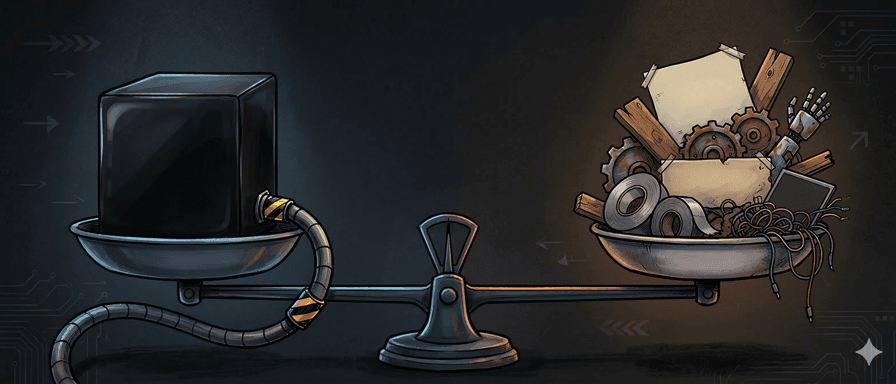
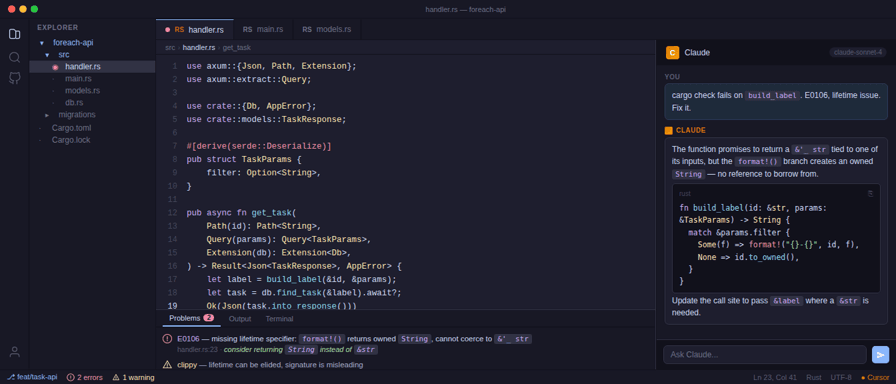
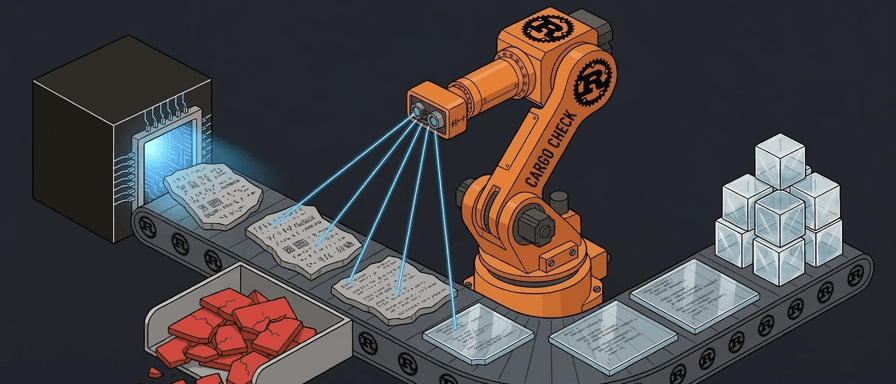
Rust's biggest barrier was the learning curve. LLMs reduced it dramatically. The compiler, the type system, and the ownership model stayed. That combination matters.
Insights on software development, team management, and best practices for building scalable and efficient solutions.

Rust's biggest barrier was the learning curve. LLMs reduced it dramatically. The compiler, the type system, and the ownership model stayed. That combination matters.

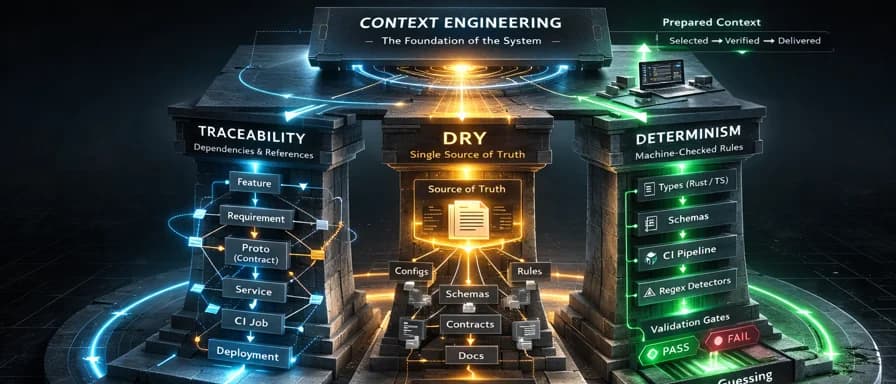
A practical framework for AI-assisted software development built on four non-negotiable principles: traceability, DRY, deterministic enforcement, and parsimony.

Context engineering for dialogue systems: how ExoChat applies the principle of parsimony so every LLM turn gets only the context it needs.

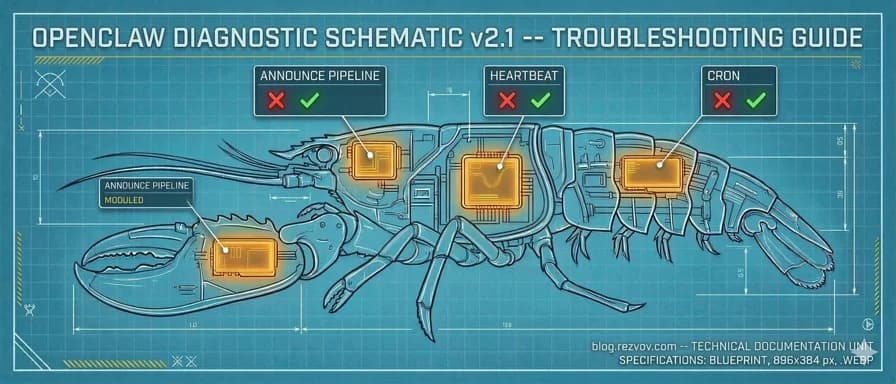
Practical fixes for OpenClaw's most common issues: the 'no reply from agent' error, WORKFLOW_AUTO.md phantom file hallucination, and cron jobs that report delivered:true but send nothing.

My client got hyped about autonomous AI agents and asked me to deploy OpenClaw on a VPS. 10 hours, 16 incidents, 271 spam messages, and $1.50 later, we got a working daily digest. Here's what nobody tells you about running AI agents in production.

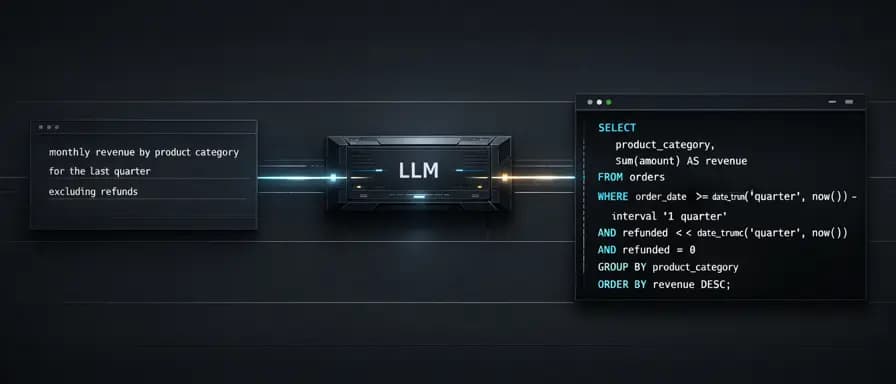
LLMs didn't just make coding faster. They unlocked entire toolsets for people who never had access before. Git, SQL, regex, shell scripting, even Rust. The barriers were syntax and CLI complexity, not intelligence. LLMs removed exactly that barrier.

The Principle of Parsimony in Context Engineering is a design rule for LLM prompts and context: formulate instructions and select artifacts in the minimum sufficient number of tokens that ensure unambiguous task interpretation, reserving the remaining token budget for the most valuable elements.

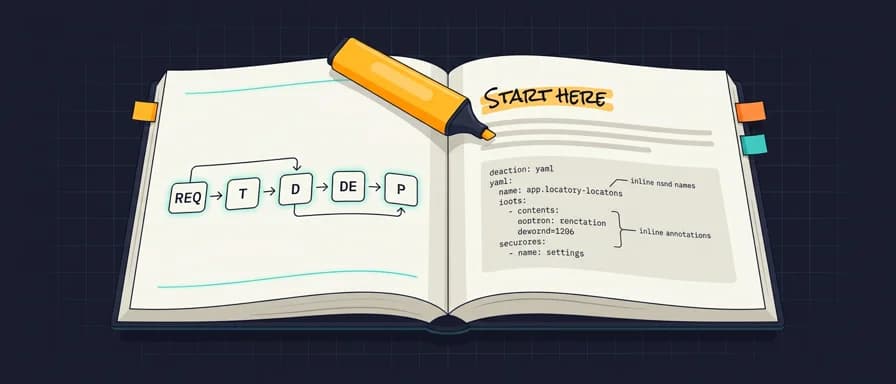
I use Claude and Cursor in development every day. Over time I noticed that I don't have one fixed workflow. I choose the approach depending on the task. Three real examples show when prompt engineering is enough and when you need context engineering.

A joke about AI model personalities, fact-checked against real user feedback. Plus Opus writes its own take from the inside.

A continuation of our Next.js blog migration journey: implementing llms.txt catalog and serving markdown versions of posts for LLM indexers like Perplexity and ChatGPT, with complete technical breakdown and lessons learned.
Hi! I'm Alex Rezvov, CTO and software development expert. I write about team management, architecture, and building better software.
Learn more →