tl;dv Steps Into the Future of User Interfaces
In May I said the user interface is collapsing into a chat window. Apollo proved it with real numbers. tl;dv got there a year earlier, and it answers questions the old UI never could.
9 articles tagged with "context-engineering"

In May I said the user interface is collapsing into a chat window. Apollo proved it with real numbers. tl;dv got there a year earlier, and it answers questions the old UI never could.


A month ago I argued the user interface is collapsing into a chat window. Apollo just did it in production: people would rather run it from Perplexity, Claude, or Cursor than learn its own UI.

User interfaces are collapsing to two surfaces: REST APIs for agents, and a single window for people. Behind the second one sits a state machine, not just a smart prompt.

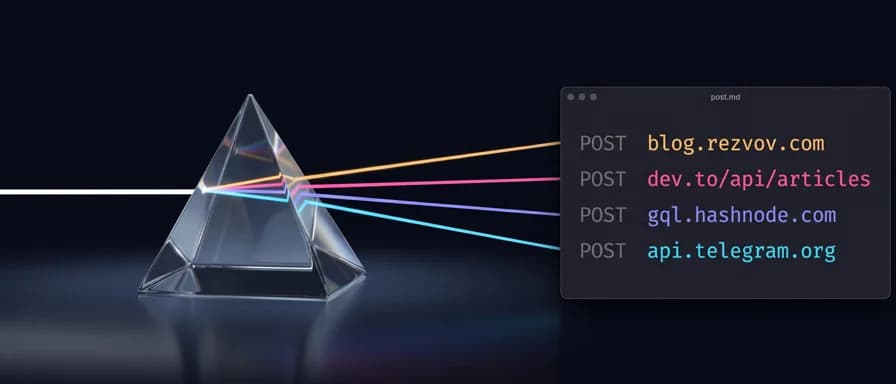
I added Telegram as the fourth crosspost target. Same git push, four places. Here's how the piece fits in, and a curated tour of the blog for anyone who just found it.

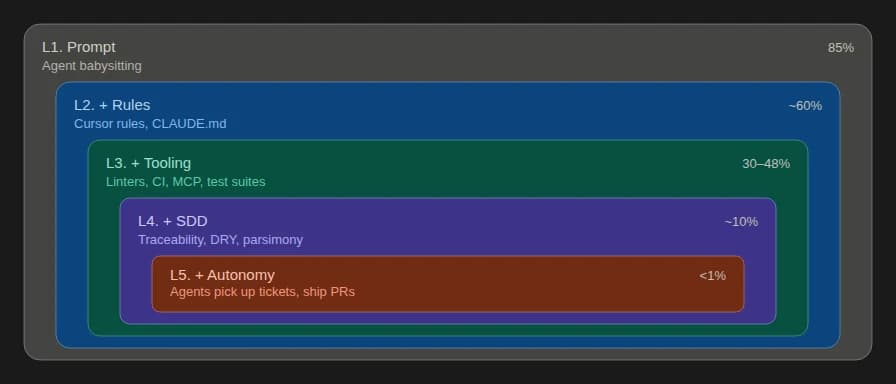
From Stack Overflow replacement to autonomous agents. A practitioner's classification based on 100+ engineers across 12 active projects.

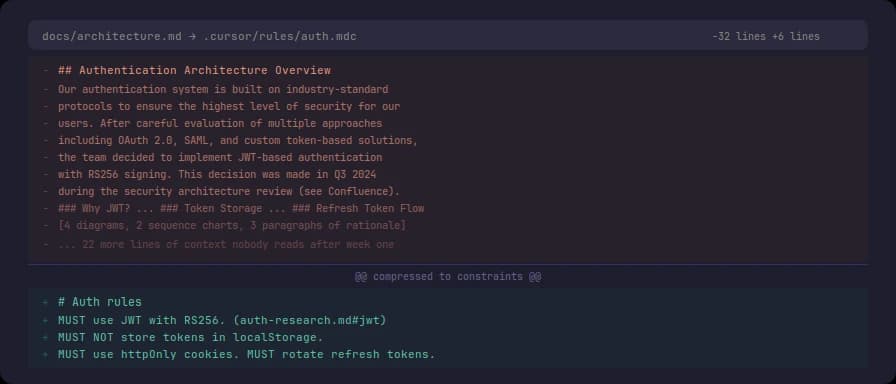
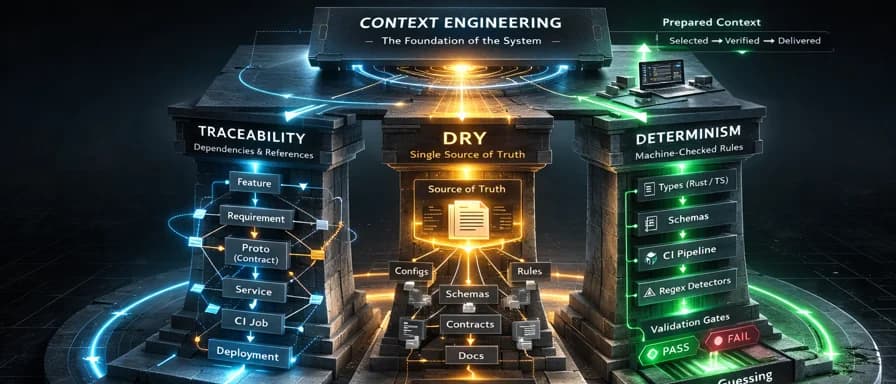
Text generation became free, so volume stopped signaling quality. Less documentation, written where the tools look, in directive vocabulary, under constant relevance audit — works better for both humans and LLMs.

Context engineering for dialogue systems: how ExoChat applies the principle of parsimony so every LLM turn gets only the context it needs.

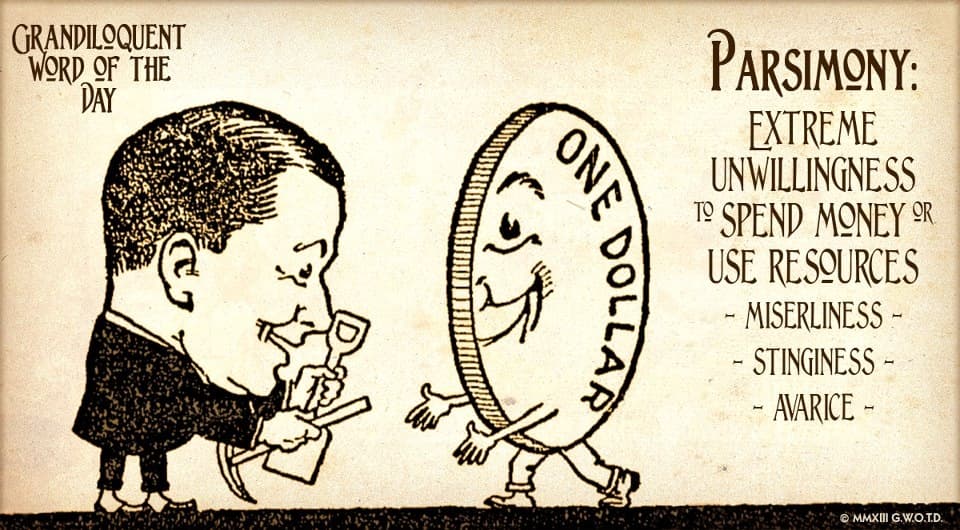
The Principle of Parsimony in Context Engineering is a design rule for LLM prompts and context: formulate instructions and select artifacts in the minimum sufficient number of tokens that ensure unambiguous task interpretation, reserving the remaining token budget for the most valuable elements.

I use Claude and Cursor in development every day. Over time I noticed that I don't have one fixed workflow. I choose the approach depending on the task. Three real examples show when prompt engineering is enough and when you need context engineering.